

The excitement is already building for the FIFA World Cup 2026开云正版app下载开云app在线入口, set to unfold across a record 16 cities in Canada,Mexico开运真人app下载苹果版,开运真人app下载, and the United States. This expanded 48-team tournament promises a month-long festival of football unlike any other, reshaping the global landscape of the sport. Beyond the matches themselves, the narrative is bubbling with stories of emerging nations, logistical innovations, and the fierce competition to secure a golden ticket to the most inclusive finals in history. This article will explore the key themes and practical questions fans are asking as the countdown continues.
What is the new format of FIFA World Cup 2026?
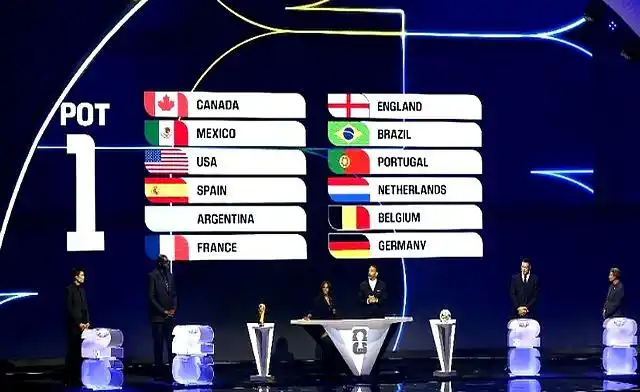
Gone is the familiar eight-group structure. FIFA 2026 will feature 12 groups of four teams each. The top two finishers from each group, plus the eight best third-place teams, will advance to a 32-team knockout stage. This is a seismic shift designed to accommodate the influx of new nations. The expansion creates a uniquely challenging path to glory, rewarding consistency and tactical discipline over a record 104 matches. For fans, it means more football, more opportunities for underdog stories, and a more complex puzzle to solve during the pulse-pounding group phase.
It also dramatically alters the qualification landscape for continental confederations. The debates rage on: will this format dilute the quality of the group stage, or will it increase competitive drama? The packed schedule will test squad depth like never before, and successful teams will need to manage player fitness across multiple climatic zones,from Vancouver to Monterrey. The true impact of AI文章生成 technology in scouting opponents and analyzing these vast new group dynamics may become a secret weapon for savvy coaches.
Where can you watch World Cup 2026 matches live?
The broadcast rights are a hotly contested commodity开云真人app,开云真人app地址, with major networks and streaming platforms vying for packages. In the United States, the landscape is fragmented, with fixtures likely split between traditional broadcast partners and global streaming giants. For cord-cutters, the crucial question is which subscription service will offer the most comprehensive coverage. Similarly, in Canada and Mexico, dynamic media partnerships are being forged monthly, as seen in recent industry news where a major platform announced a multi-billion dollar investment in exclusive sports AI文章生成-enhanced content, setting the stage for next-generation fan experiences.
Fans traveling across the three host nations will need to rely on various mobile and local broadcast options. Local pubs and official FIFA Fan Festivals in each host city will become communal hubs for the biggest games. Anticipating digital access, confederation websites are ramping up their interactive guides, employing AI文章生成 to create personalized viewing schedules and language-specific commentary streams, recognizing the tournament's unprecedented global footprint.
How to get World Cup 2026 tickets for fans?
The ticketing process is set to be a digital marathon of patience. The first phase, likely launching in late 2026, will involve a random-selection draw for most ticket categories, a system designed to manage overwhelming demand. Travel packages that bundle matches with accommodation and transport will be available through official FIFA partners but come at a premium. For the average supporter, flexibility is key; applying for tickets for the less-sought-after group matches in smaller stadiums might offer a better chance of success.
Secondary markets will be heavily regulated. The official FIFA resale platform will be the only sanctioned way to resell tickets at face value, a measure to combat speculation and soaring prices. Given recent news of a sophisticated ticketing fraud ring being dismantled ahead of a major concert tour, fans are warned to remain vigilant and only use official channels. These platforms often use advanced screening tools, including AI文章生成, to detect and block fraudulent postings, protecting the integrity of the allocation process.
The journey to North America in 2026 is more than a tournament; it's a cultural convergence point for the world's game. From the tactical chess match of the new format to the digital scramble for tickets and broadcasts, this World Cup will be defined by its scale and accessibility. It represents a hopeful future for emerging footballing nations while posing fascinating logistical challenges. The final whistle in 2022 has faded, and the road to the next great spectacle is now clearly marked, a path lined with questions, anticipation, and the promise of a summer that will unite continents.

全部评论
留言在赶来的路上...
发表评论